 Save
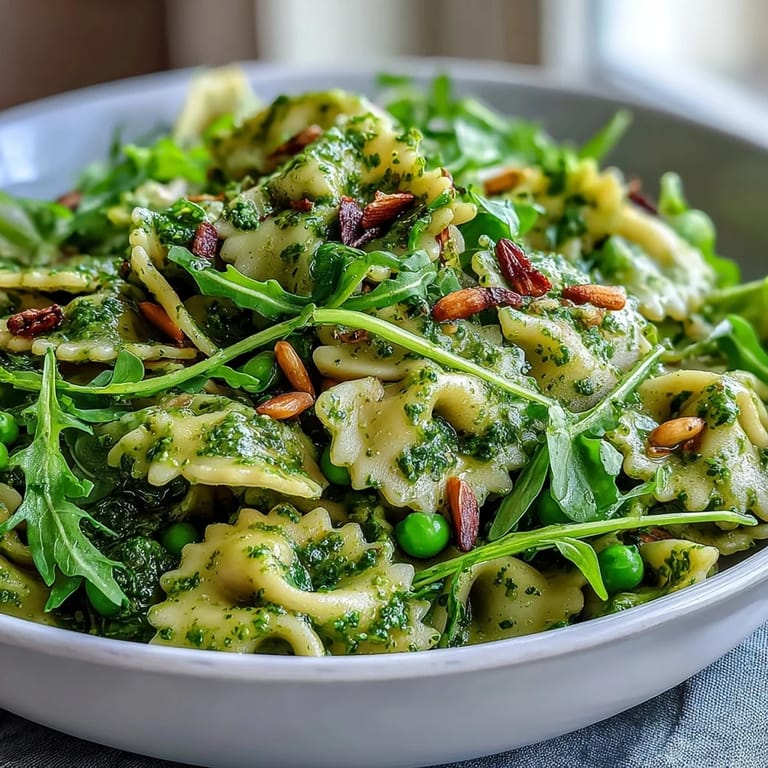
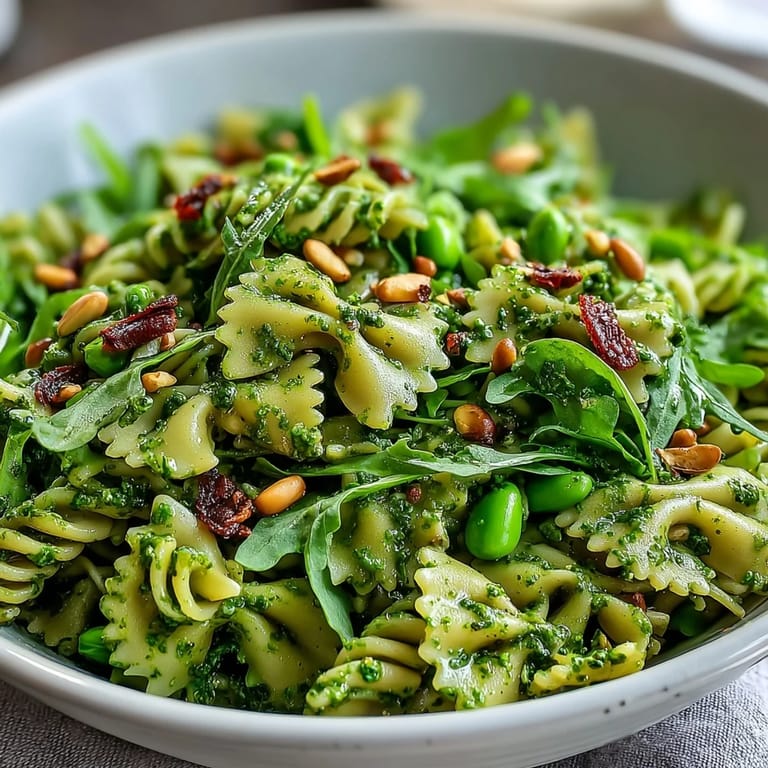
Save My neighbor brought this to a backyard potluck last May, and I watched it disappear before the grilled chicken even made it to the table. The bright green pesto clung to every twist of pasta, and the peas added these little bursts of sweetness that made the whole bowl feel like spring in edible form. I asked for the recipe right there, scribbling notes on a napkin while she laughed and told me she'd been making it for years. Now it's my go-to whenever I need something that looks impressive but doesn't chain me to the stove. It's become the dish I'm known for at gatherings, which still surprises me.
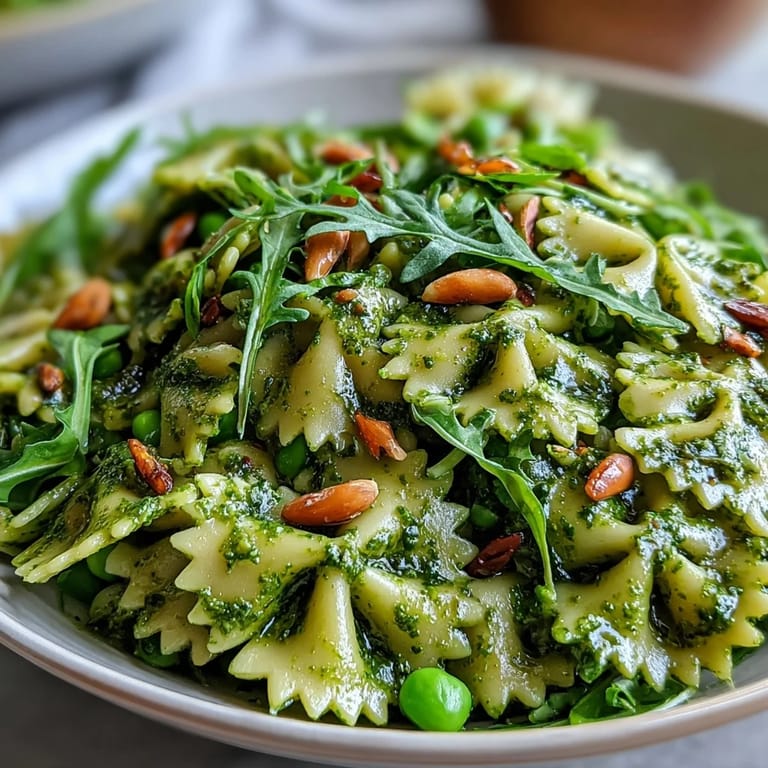
The first time I made this for my sister's birthday picnic, I was worried the arugula would wilt into sad, slimy ribbons by the time we ate. Instead, it stayed crisp and vibrant, tucked between the pasta spirals like little green secrets. Everyone kept asking what made it so bright and fresh, and I realized it was the lemon zest more than anything else. That tiny addition transformed the whole bowl from ordinary to something people remembered. I've been zesting lemons over everything ever since.
Ingredients
- Short pasta (300 g): Fusilli or farfalle work best because their shapes cradle the pesto, but penne holds up well too if that's what you have.
- Fresh basil leaves (50 g): The foundation of the pesto, and it has to be fresh; dried basil won't give you that vibrant green color or grassy sweetness.
- Pine nuts (30 g for pesto, 30 g extra): Toasting them until golden brings out a buttery richness that makes the pesto taste expensive.
- Parmesan cheese (50 g): Freshly grated is key; the pre-shredded stuff has anti-caking agents that make the pesto grainy instead of silky.
- Garlic clove (1): Just one is enough to add sharpness without overpowering the basil; more than that and it gets too intense.
- Extra virgin olive oil (120 ml): Use the good stuff here since it's not being cooked; you'll taste every bit of it.
- Lemon (1/2 for juice, 1 for zest): The juice brightens the pesto, and the zest scattered over the finished salad adds little pops of citrus.
- Frozen peas (150 g): Blanching them briefly keeps them sweet and tender without turning mushy.
- Baby arugula (75 g): Its peppery bite balances the richness of the pesto and cheese beautifully.
- Feta cheese (100 g, optional): Crumbled feta adds creamy, tangy pockets that make every bite a little different.
- Fresh herbs (optional): Mint or parsley folded in at the end brings an unexpected freshness that feels very Italian countryside.
Tired of Takeout? 🥡
Get 10 meals you can make faster than delivery arrives. Seriously.
One email. No spam. Unsubscribe anytime.
Instructions
- Cook and cool the pasta:
- Boil the pasta in generously salted water until it's just al dente, then drain and rinse it under cold water to stop the cooking and cool it down quickly. Save a bit of the starchy pasta water before draining; it's magic for loosening the pesto later.
- Blanch the peas:
- Drop the frozen peas into boiling water for about two minutes until they're bright green and tender, then shock them in cold water to lock in that color. They should taste sweet and springy, not mushy.
- Make the pesto:
- Toss the basil, toasted pine nuts, Parmesan, garlic, lemon juice, salt, and pepper into a food processor and pulse until everything is chopped. With the motor running, drizzle in the olive oil slowly until the mixture becomes a smooth, glossy paste that clings to the spoon.
- Toss the pasta with pesto:
- In a large bowl, mix the cooled pasta with the pesto, adding splashes of the reserved pasta water until the sauce coats every piece without pooling at the bottom. The pasta should look shiny and well-dressed, not dry or swimming.
- Fold in the greens and extras:
- Gently stir in the blanched peas, arugula, lemon zest, and extra toasted pine nuts, along with feta and fresh herbs if you're using them. Taste it and adjust with more salt, pepper, or a squeeze of lemon juice until it sings.
- Serve:
- Serve the salad chilled or at room temperature, whichever you prefer. It's delicious either way, though I think the flavors open up a bit more when it's not ice cold.
 Save
Save I brought this to a summer potluck at the park, and a little kid who claimed to hate anything green came back for thirds. His mom looked stunned, and I just smiled because I knew it was the pesto doing all the work. There's something about homemade basil pesto that wins people over, even the picky ones. That day, sitting on a blanket watching him devour a bowl of green pasta, I realized this recipe had become more than just a salad to me.
Make It Your Own
If you can't find pine nuts or they're too pricey, swap in toasted sunflower seeds or even walnuts for a different but equally delicious pesto. I've also tossed in halved cherry tomatoes when they're at their peak, and the juicy sweetness plays beautifully against the peppery arugula. Sometimes I'll add grilled chicken or chickpeas to make it more filling, and it never disappoints. The base recipe is forgiving and welcomes whatever you want to throw at it.
Storing and Serving Tips
This salad is best the day you make it, but it holds up surprisingly well in the fridge for up to two days if you keep it covered. The arugula might soften a bit, but the flavors deepen as the pesto settles into the pasta. Before serving leftovers, give it a good stir and taste it; you might want to add a squeeze of fresh lemon juice or a drizzle of olive oil to perk it back up. I like to let it sit at room temperature for about fifteen minutes before eating so the flavors aren't muted by the cold.
What to Serve Alongside
This pasta salad is hearty enough to be a main dish, especially if you add feta or grilled protein, but it also shines as a side at barbecues and picnics. I've served it next to grilled fish, roasted chicken, and even just a pile of crusty bread and butter. A crisp white wine like Sauvignon Blanc pairs beautifully, but honestly, sparkling water with lemon is just as refreshing and lets the bright flavors of the salad stand out.
- Grilled lemon herb chicken or shrimp makes it a complete meal.
- Crusty sourdough or focaccia for scooping up every last bit of pesto.
- A simple green salad with vinaigrette keeps things light and balanced.
 Save
Save This pasta salad has a way of making ordinary moments feel special, whether it's a Tuesday lunch or a weekend with friends. I hope it becomes a favorite in your kitchen the way it has in mine.
Recipe FAQs
- → Can I make the pesto ahead of time?
Yes, you can prepare the pesto up to 2 days in advance. Store it in an airtight container with a thin layer of olive oil on top to prevent browning. Bring it to room temperature before tossing with the pasta.
- → How do I prevent the pasta from getting mushy?
Cook the pasta until just al dente, then rinse it immediately under cold water to stop the cooking process. This ensures the pasta maintains its texture throughout storage and serving.
- → What's the best way to store leftovers?
Store the finished salad in an airtight container in the refrigerator for up to 2 days. If it becomes dry, toss with a splash of olive oil and lemon juice before serving again.
- → Can I substitute the pine nuts?
Absolutely. Toasted sunflower seeds, walnuts, or almonds work well as alternatives. For a nut-free version, try toasted pumpkin seeds or sunflower seeds with the same quantity.
- → Is this salad suitable for vegan diets?
Yes, simply replace Parmesan with nutritional yeast and omit the feta cheese. The rest of the ingredients are naturally plant-based, making it an excellent vegan option.
- → How can I make it gluten-free?
Use certified gluten-free pasta in place of regular pasta. All other ingredients are naturally gluten-free, so this simple swap makes the entire dish suitable for gluten-free diets.