 Save
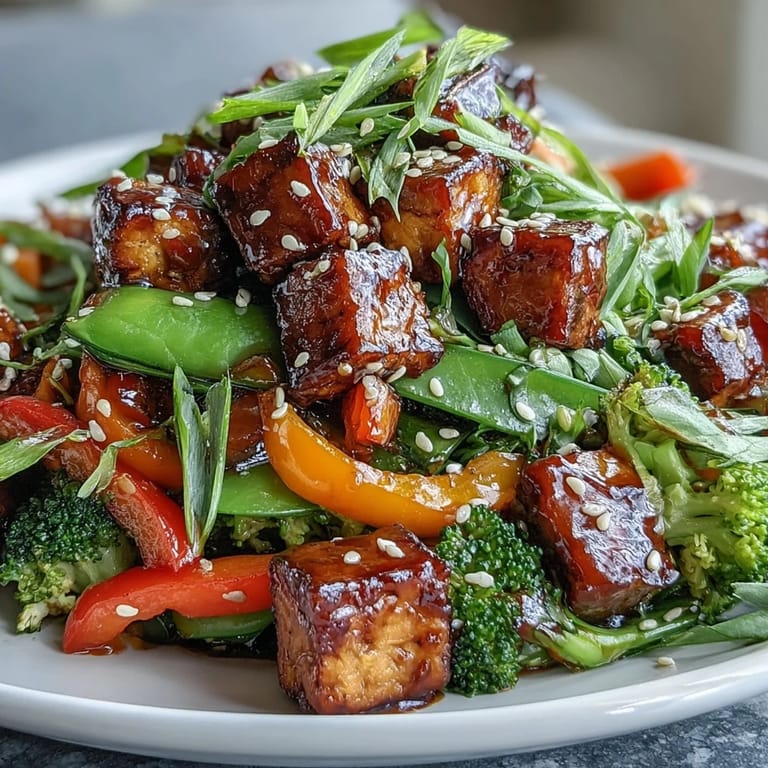
Save There's something almost magical about the sizzle that happens when you first add tempeh to a hot wok—that golden-brown transformation that signals you're about to make something genuinely delicious. I discovered this stir-fry on a Tuesday evening when my fridge was stuffed with vegetables that needed rescuing and I was craving something with real substance. The nutty flavor of properly cooked tempeh paired with that glossy, savory-sweet sauce turned what could have been a throw-together dinner into something I actually looked forward to eating. Now it's my go-to when I want to feel like I've cooked something impressive without spending half the night in the kitchen.
I remember making this for a friend who'd just gone vegan and was nervous about eating at my place. Watching her eyes light up when she tasted it—that moment when she realized plant-based food could actually be this satisfying—reminded me why I love cooking for people. She asked for the recipe that same night, and now it's on regular rotation at her dinner table too.
Ingredients
- Tempeh: This fermented soybean cake is your protein hero, and the key is cutting it into honest cubes so each piece gets golden and crispy on the outside while staying tender within.
- Red and yellow bell peppers: Their sweetness balances the umami in the sauce, and slicing them lengthwise means they hold their shape better during the quick cooking.
- Carrot: A julienne cut means it cooks in the same time as everything else, staying just tender enough without turning to mush.
- Sugar snap peas: These stay crisp if you don't overcook them, adding a fresh crunch that keeps the dish from feeling heavy.
- Broccoli florets: Break them into smaller pieces than you think you need—they shrink slightly during cooking and you want them tender, not raw.
- Spring onions: Add these at the very end so they stay bright and oniony rather than wilting into the background.
- Garlic and ginger: Those thirty seconds of blooming in oil releases their essential oils, turning them from raw bite into warm, rounded flavor.
- Soy sauce: Use tamari if gluten matters to you, and don't skip it or the sauce loses its savory backbone.
- Rice vinegar: A splash of this balances the sweetness and adds a gentle brightness that wakes up your taste buds.
- Maple syrup or agave: Just enough sweetness to round out the sauce without making it dessert-like.
- Toasted sesame oil: The real deal here—regular sesame oil tastes flat by comparison, and toasted gives you that nutty depth that makes people ask what you did.
- Cornstarch: This thickens the sauce so it clings to everything instead of pooling at the bottom of your wok.
- Vegetable oil: You need enough to get your wok properly hot, which means your tempeh gets golden rather than steamed.
- Sesame seeds and cilantro: Optional but worth it—they add texture and a fresh finishing touch that makes you feel like you've actually plated something.
Tired of Takeout? 🥡
Get 10 meals you can make faster than delivery arrives. Seriously.
One email. No spam. Unsubscribe anytime.
Instructions
- Make your sauce first:
- Whisk together soy sauce, water, rice vinegar, maple syrup, sesame oil, and cornstarch in a small bowl. This way it's ready to go when you need it, and the cornstarch has time to wake up.
- Get your tempeh golden:
- Heat one tablespoon of oil in your wok over medium-high heat until it shimmers, then add your tempeh cubes. Let them sit for a minute or two before stirring—this is how they get that beautiful golden crust. Four to five minutes total, stirring occasionally, until they're caramelized on most sides.
- Bloom your aromatics:
- Add the second tablespoon of oil to the empty wok, then immediately add garlic and ginger. That thirty seconds where everything becomes fragrant is your cue that they're ready.
- Cook the vegetables:
- Add your peppers, carrot, sugar snaps, and broccoli to the wok. Stir-fry for four to five minutes, keeping everything moving so it cooks evenly. You're going for tender but still with a little resistance when you bite.
- Bring it all together:
- Return the tempeh to the wok, give your sauce a quick stir to wake up the cornstarch, then pour it over everything. Toss for one to two minutes until the sauce turns glossy and thickens slightly, coating each piece.
- Finish and serve:
- Remove from heat, stir in your spring onions, scatter sesame seeds and cilantro if you're using them, then serve hot. This is best eaten immediately while everything still has its texture and the sauce is warm.
 Save
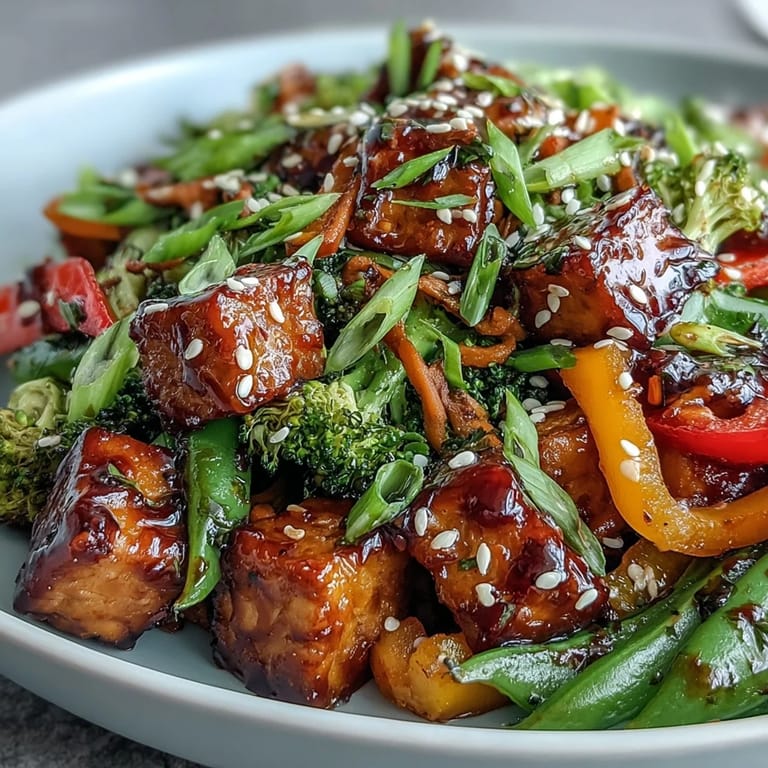
Save There's something deeply satisfying about watching someone who's skeptical about tempeh take a real bite of this, see their expression shift, and realize that plant-based eating doesn't mean sacrificing flavor or substance. That's when cooking stops being about following steps and becomes about actually nourishing the people you care about.
The Tempeh Question
Tempeh gets a bad reputation from people who've only had it steamed or poorly prepared, but the truth is it's just as capable of tasting incredible as any other protein. The key is respecting it enough to let it develop a proper crust—rushing through that searing step means you're eating muted flavor instead of something with actual character. Once you understand that, tempeh stops being a health food you tolerate and becomes something you genuinely crave.
Building Your Stir-Fry Around the Seasons
The vegetables here are really just suggestions based on what was in my kitchen the day I developed this recipe. In summer I'll swap in zucchini and snap beans; in fall I lean toward mushrooms and baby corn; winter gets brussels sprout leaves and tender kale. The magic isn't in following the exact vegetables—it's in understanding that you want a mix of things that cook in roughly the same time, so nothing turns to soup while you're waiting for something else to soften.
Sauce Variations and Heat Levels
The sauce as written is balanced and approachable, but I've learned it's endlessly flexible depending on the mood. A teaspoon of chili flakes stirred in right before serving gives you heat without overpowering the other flavors; a splash of sriracha makes it spicy and slightly smoky; a few drops of toasted sesame oil added at the very end makes it richer. The cornstarch is always your friend—it locks in whatever sauce you make, preventing it from running off your plate and into the rice underneath.
- Add chili flakes or sriracha if you're craving heat without changing the base sauce.
- A splash of coconut milk stirred in at the end creates a creamy version that still feels light.
- Extra ginger and garlic can always be added if you want more aromatic punch.
 Save
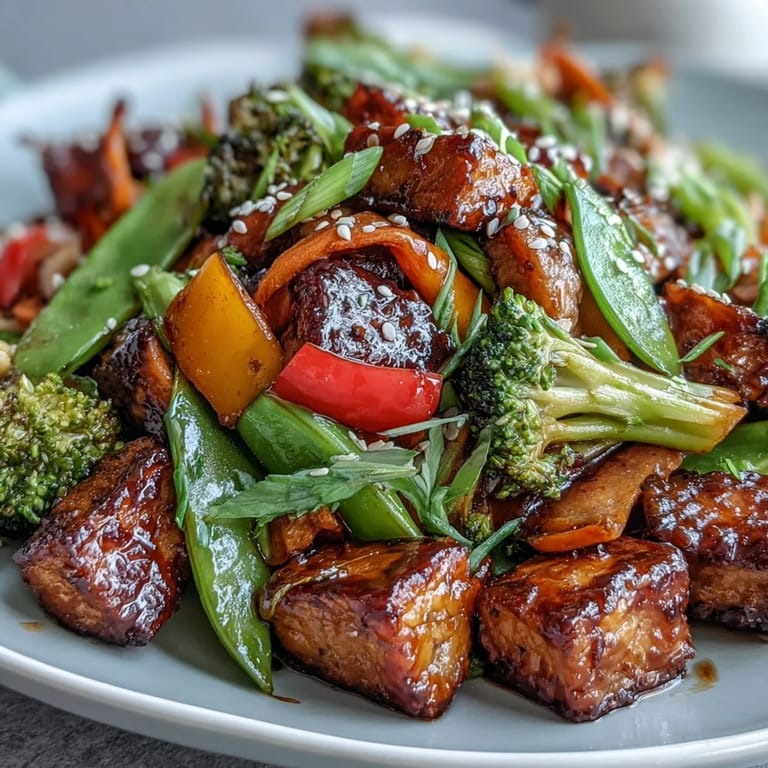
Save This stir-fry has become my answer to the question every home cook asks: how do I make something that tastes like I know what I'm doing, tastes genuinely good, and doesn't take forever? It's the kind of dish that makes you realize plant-based cooking doesn't require compromise, just intention and a properly hot wok.
Recipe FAQs
- → What vegetables work best in this stir-fry?
Bell peppers, broccoli, sugar snap peas, and carrots create a colorful mix with varied textures. Feel free to substitute based on season or preference—mushrooms, baby corn, zucchini, or snow peas all work beautifully.
- → How do I prevent tempeh from being dry?
Cutting tempeh into smaller 1cm cubes increases surface area for better sauce absorption. Pan-frying until golden creates a slight crust that helps the sauce cling to each piece while keeping the inside tender.
- → Can I make this gluten-free?
Simply replace regular soy sauce with tamari. The rest of the ingredients—including tempeh, vegetables, and sauce components—are naturally gluten-free, making this an easy adaptation.
- → What should I serve with this dish?
Steamed jasmine rice absorbs the savory sauce beautifully, but soba noodles, brown rice, or quinoa also work well. For a lighter option, serve over cauliflower rice or enjoy on its own as a protein-packed bowl.
- → How long does this keep for meal prep?
Store in an airtight container in the refrigerator for up to 4 days. Reheat gently in a skillet with a splash of water, or enjoy cold—the flavors often develop even more after a day or two.
- → Can I add extra protein?
Edamame, cubed tofu, or even scrambled eggs can be added during the final minutes. If adding another protein, consider increasing the sauce ingredients slightly to maintain proper coating.