 Save
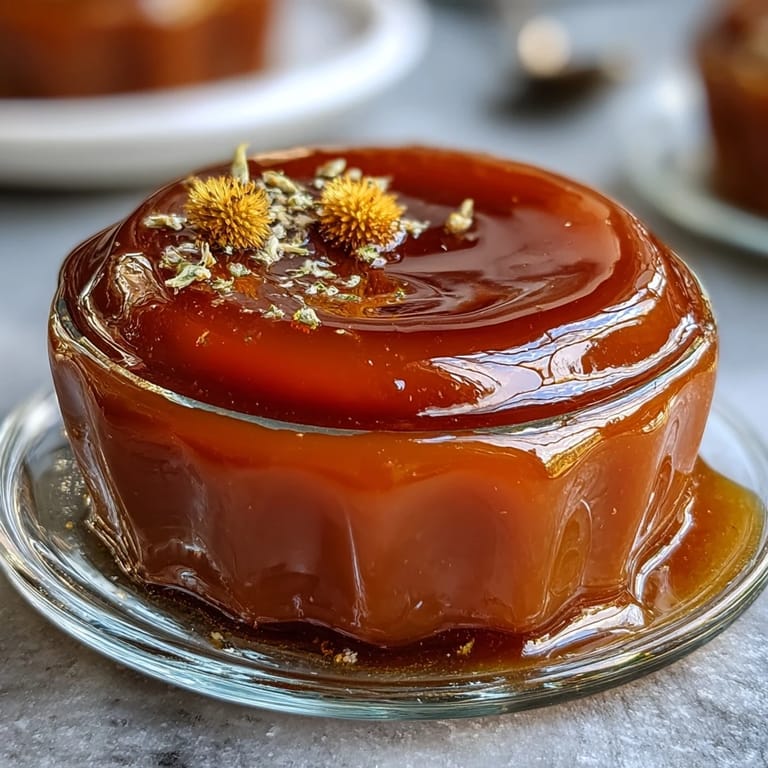
Save My neighbor mentioned over the fence one spring that her grandmother used to make jelly from the dandelions that overran their yard, and something about that image—turning weeds into something precious—stuck with me. That afternoon, I found myself kneeling in an unmowed corner of my own property, plucking yellow petals and feeling a little bit like I'd uncovered a secret. What started as curiosity became an obsession, and after my first batch set up golden and translucent on the counter, I understood the appeal entirely. There's something magical about capturing the taste of an entire season in a jar.
I made a batch for my book club and set jars on the table without explanation, just let everyone spread it and taste first. The silence that followed—that moment of surprise when people realized what they were eating—made the whole afternoon worthwhile. One friend asked if I could teach her, another wanted to know if I'd sell it, and suddenly this little experiment had become something that mattered beyond just my kitchen.
Ingredients
- Dandelion petals (2 cups, yellow parts only, tightly packed, pesticide-free): The heart of this recipe—use only the bright yellow parts and remove every trace of green sepal, which tastes acrid and will ruin the delicate flavor you're after.
- Water (4 cups): This becomes your infusion base, so use clean, filtered water if your tap water is heavily chlorinated.
- Lemon juice (2 tablespoons, freshly squeezed): Brightens the floral notes and helps the jelly set; bottled juice won't give you the same clarity or depth.
- Powdered fruit pectin (1 package, 1.75 oz / 49 g): This is your setting agent—don't skip it or substitute it without understanding the chemistry, as the texture will suffer.
- Granulated sugar (4 cups): Essential for preservation and flavor balance; this isn't the place to experiment with alternatives unless you're using low-sugar pectin specifically.
Tired of Takeout? 🥡
Get 10 meals you can make faster than delivery arrives. Seriously.
One email. No spam. Unsubscribe anytime.
Instructions
- Scout and harvest your petals:
- Find a clean area away from roads and pesticides, ideally early morning after the dew dries but before full heat. Pinch the yellow petals free with your fingers, leaving behind all the green parts that can taste bitter.
- Clean them gently:
- Give your petals a quick, light rinse in cool water to dislodge any insects or debris, then pat them dry in a clean kitchen towel—they bruise easily.
- Make the infusion:
- Combine the petals and water in a saucepan, bring to a boil, then lower the heat and let it simmer gently for 5 minutes. The water will begin to take on a pale golden color almost immediately.
- Let it steep and develop:
- Cover the pot and leave it undisturbed at room temperature for 4 hours, or overnight if you want a more pronounced floral flavor. The longer it sits, the deeper the golden color and more complex the taste.
- Strain with patience:
- Pour everything through a fine mesh sieve lined with cheesecloth, letting gravity do most of the work before you gently press the petals to extract the last bit of liquid. You should end up with about 3½ to 4 cups of clear, golden infusion.
- Build your jelly base:
- Pour the strained infusion into a large pot, add the lemon juice and pectin, and stir constantly until it comes to a rolling boil—the kind that doesn't subside when you stir it.
- Add sugar and reach setting point:
- Dump all the sugar in at once while stirring, then return to a rolling boil and maintain it for 1 to 2 minutes, checking the temperature with a candy thermometer until it hits 220°F / 104°C. This is the critical moment—don't rush it or the jelly won't set.
- Skim and jar:
- Remove from heat, skim away any foam that's formed on the surface with a clean spoon, then ladle the hot jelly into sterilized jars, leaving exactly ¼-inch of headspace at the top.
- Seal and process:
- Wipe the rims clean with a damp cloth, place the lids on, and screw the bands on just until finger-tight. Process the jars in a boiling water bath for 10 minutes to ensure a proper seal.
- Cool and verify:
- Let the jars sit untouched on your counter overnight—resist the urge to flip them or jostle them. In the morning, press down on each lid; if it springs back, that jar didn't seal and should be refrigerated and used within a few weeks.
 Save
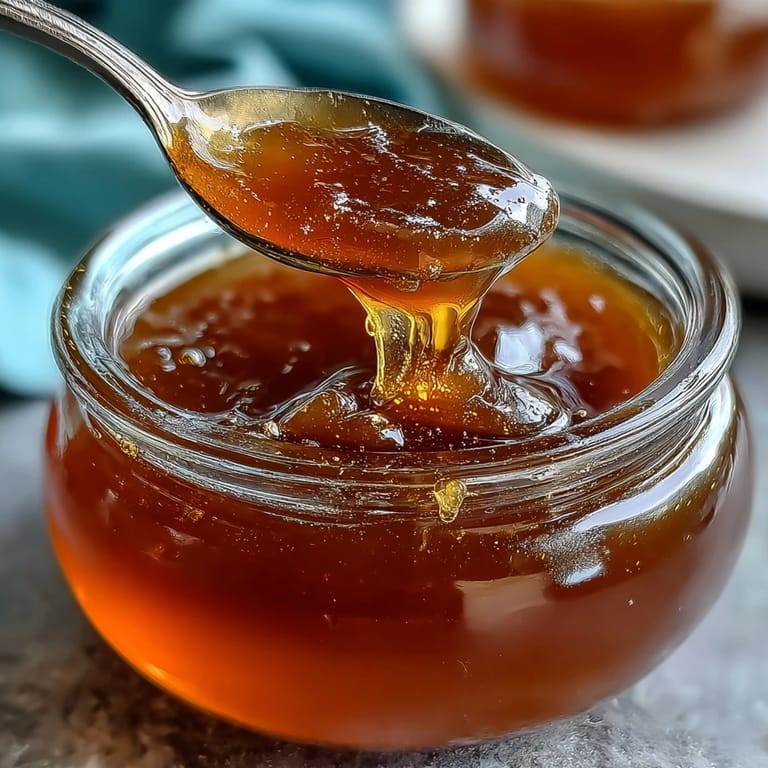
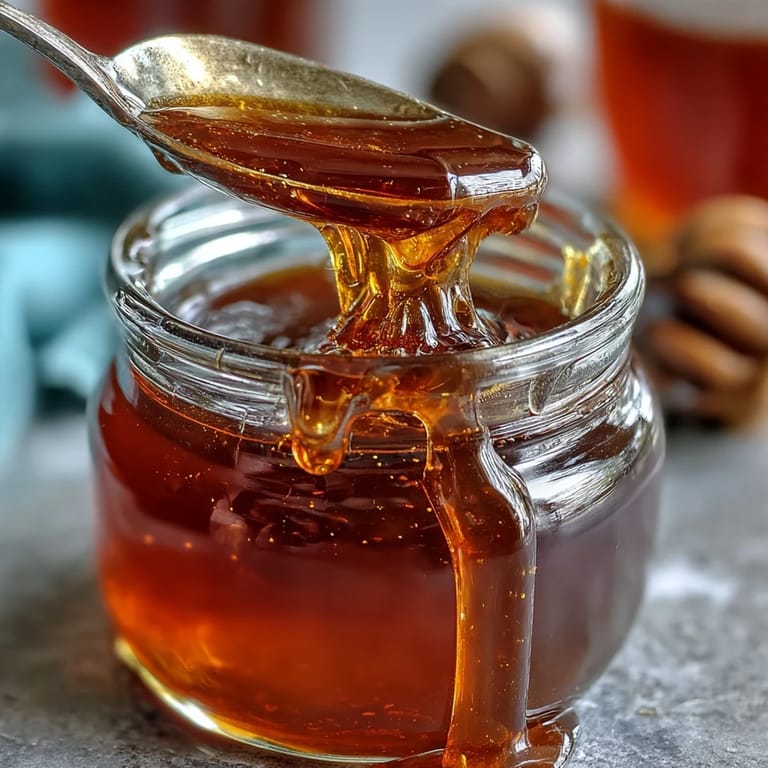
Save Months later, I opened a jar to find that deep golden color hadn't faded at all, and the flavor had somehow become even more refined. I spread it on buttered scones one morning and realized I was tasting an entire season I'd preserved—the specific quality of that one spring when I decided to forage instead of dismiss.
The Best Way to Use Your Jelly
Dandelion jelly is surprisingly versatile if you think beyond the obvious toast application. I've swirled it into Greek yogurt for breakfast, used it as a glaze for roasted chicken alongside fresh thyme, and even spread it on a cheese board where it became the first thing people reached for. The floral quality plays beautifully with both sweet and savory applications—it's the kind of preserve that rewards a little experimentation.
Foraging Safely and Sustainably
The most important rule here is location, location, location. Never forage from roadsides, parks where pesticides are used, or yards that have been treated with chemicals—you're concentrating whatever's in that soil into your jars. I spent an afternoon researching which areas in my neighborhood were clean before I ever harvested a single petal, and it was time well spent. Once you have a trusted spot, be respectful of it; don't harvest every dandelion, and don't return to the same plant more than once per season.
Flavor Variations and Adjustments
The base recipe is beautiful on its own, but there's room for creativity once you understand how it works. A friend added fresh orange zest along with the lemon juice and created something with a subtle citrus complexity that elevated the whole batch. You could experiment with lavender petals mixed in, or a whisper of vanilla extract added after cooking, or even a tiny pinch of cardamom if you want to get adventurous—just remember that delicate flowers bruise easily in flavor, so less is more.
- If you prefer less sweetness, use low-sugar pectin and reduce sugar by half a cup, then taste as you go.
- For a deeper flavor, steep the petals overnight instead of just 4 hours, and don't be alarmed if the color deepens to a rich amber.
- If your jelly didn't set properly, you can always reheat it and reprocess, or use it as a sauce instead.
 Save
Save Making dandelion jelly taught me that some of the best things in cooking come from paying attention to what's right in front of you. Every jar that sits on my shelf is a small record of noticing, deciding to try something new, and trusting the process.
Recipe FAQs
- → How do I prepare dandelion petals for infusing?
Remove all green parts like stems and sepals to avoid bitterness, then rinse petals gently to clean.
- → Can I shorten the steeping time?
Steeping for 4 hours extracts the best flavor. For a milder taste, you can steep as little as 1 hour but flavor may be less intense.
- → What is the ideal temperature to achieve setting point?
Boil the mixture until reaching 220°F (104°C) for a proper set consistency.
- → How should I store the finished jelly?
Seal jars after boiling water bath processing and store in a cool, dark place. Refrigerate after opening.
- → Are there variations to adjust sweetness or flavor?
To reduce sweetness, slightly cut sugar and use low-sugar pectin. Adding orange zest gives a citrus twist.