 Save
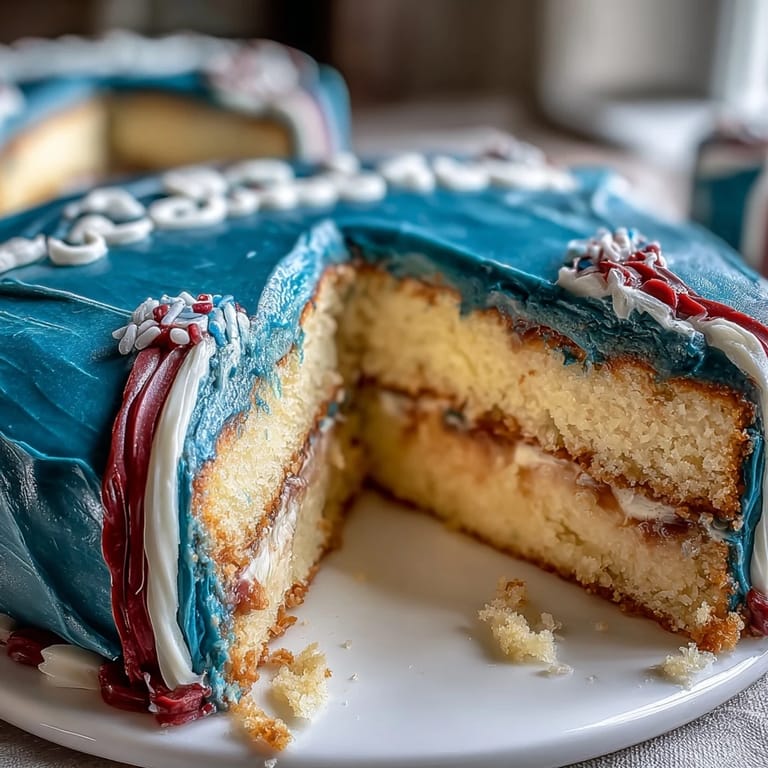
Save The scent of freshly baked cake always reminds me of the vibrant energy that fills a kitchen during big celebrations. When my friend asked me to help make a graduation cake for her son, I instantly pictured a sports jersey bursting with color and pride. There was a playful buzz as we debated whether his lucky number should go front and center or off to the side. Flour clouds danced in the air while laughter echoed—our ideas became edible creativity. Sharing in those small, spirited moments made this cake feel less like dessert and more like a memory stitched together in buttercream and fondant.
I once made this jersey cake for a group of boisterous teens after a graduation ceremony, and found myself fielding requests for custom numbers and colors mid-frosting. They huddled around the kitchen counter, calling out favorite teams, while I improvised with edible markers and fondant stripes. The room buzzed with excitement as each element came together, and I realized these thoughtful touches made the whole cake feel personal and celebratory. Everyone seemed invested: even the youngest insisted on helping smooth the fondant with her tiny hands.
Ingredients
- All-purpose flour: The base for a sturdy cake—sift before mixing for a lighter crumb.
- Baking powder: Gives the cake lift and keeps it tender; measure with care.
- Salt: Just enough to balance sweetness and enhance flavor.
- Unsalted butter: Use soft, room-temperature butter for a plush texture.
- Granulated sugar: Creates structure and sweetness; beat well with butter for the fluffiest results.
- Eggs: Add one at a time to ensure smooth batter and a moist cake.
- Whole milk: Makes the cake rich; bring it to room temperature for better mixing.
- Vanilla extract: Adds warm aroma—don't skimp, genuine vanilla lifts the flavor.
- Powdered sugar: Essential for smooth, glossy buttercream—sift to prevent lumps.
- White fondant: Blank canvas for decorating; knead until soft before rolling.
- Food coloring gel: Intensely pigmented, gel colors yield brighter shades without thinning fondant.
- Edible black food marker or black fondant: Perfect for crisp numbers and fine jersey details.
- Cornstarch: Prevents fondant from sticking while rolling—dust lightly, don't overdo.
Tired of Takeout? 🥡
Get 10 meals you can make faster than delivery arrives. Seriously.
One email. No spam. Unsubscribe anytime.
Instructions
- Prep Your Pan:
- Grease and line a 9x13-inch pan with parchment, pressing it snugly—listen for that satisfying crinkle.
- Make Dry Mix:
- Whisk together flour, baking powder, and salt until soft and airy; the aroma hints at the cake to come.
- Beat Butter and Sugar:
- Let the mixer run until pale and fluffy, then add eggs one at a time—it should look creamy and luxe.
- Blend in Milk and Flour:
- Add vanilla, then alternately mix in dry ingredients and milk; gentle folding keeps the cake light.
- Bake:
- Scrape batter into your prepared pan, smooth the top, and bake for 35–40 minutes. The kitchen fills with a golden scent—test with a toothpick for doneness.
- Cool and Prepare Buttercream:
- Beat softened butter, gradually adding powdered sugar, vanilla, salt, and milk. It should be cloud-like and spreadable.
- Shape the Jersey:
- Once cool, lift the cake and carve into a jersey shape—shoulders, armholes, and a slight dip for flair. Pause to admire how the crumbs scatter.
- Apply Buttercream Crumb Coat:
- Spread a thin layer all over, capturing stray crumbs. Chill for 30 minutes so it sets nicely.
- Color and Roll Fondant:
- Knead fondant with team color gels, rolling it out on cornstarch for a smooth finish; you'll feel it become pliable and workable.
- Cover Cake with Fondant:
- Drape fondant gently over chilled cake, smoothing edges—you might hear faint giggles if someone helps.
- Add Details:
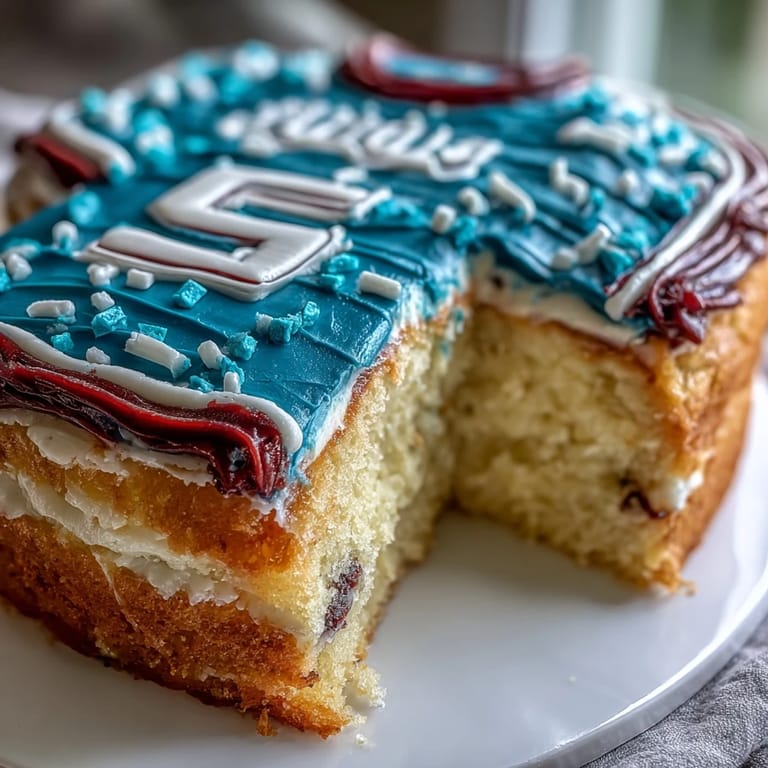
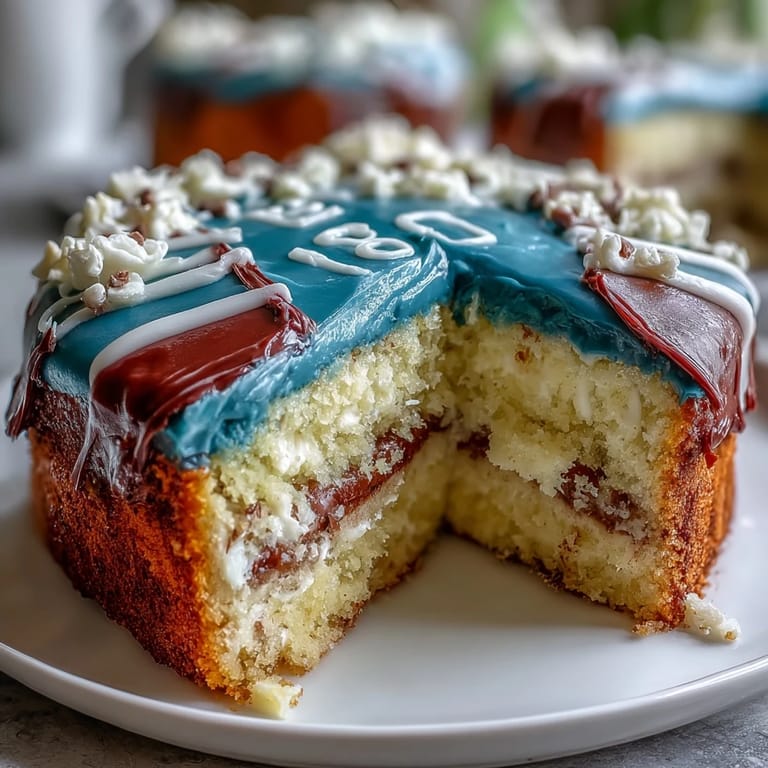
- Use colored fondant, edible markers for numbers, names, and stripes. Each touch makes the cake look more lively.
- Display and Celebrate:
- Transfer finished cake to a board and invite everyone to admire your edible masterpiece.
 Save
Save The day this cake went from a kitchen project to an unexpected celebration, the graduate himself grinned ear to ear seeing his favorite number piped onto the jersey. People lingered around, snapping photos, and the laughter that followed felt more like a team victory than a graduation party. It was in those moments—pride mingled with sweetness—that the cake became more than just dessert. Even later, as crumbs disappeared, the memory lingered like a winning goal replayed again and again.
Fondant Fears and First Tries
I still remember the first time I tried covering a cake in fondant—my hands stuck, colors smeared, and I nearly gave up. A friend suggested dusting my hands (and rolling pin) with cornstarch, which instantly made everything smoother and neater. Dabbing and smoothing became strangely meditative, and soon the fondant draped beautifully like a real jersey. Practice really does turn frustration into fun.
Buttercream Magic
Buttercream is a forgiving friend in the kitchen. If your crumb coat looks patchy, just chill it and add another thin layer until every edge looks seamless. Stick to room-temperature butter and slow mixing—your frosting will never split or feel greasy. Don't be afraid to flavor it with extra vanilla or a dash of salt, especially for balancing sweet fondant.
Personalizing Your Jersey Cake
Letting the graduate choose colors and numbers makes each cake feel truly special. Little tricks like using food-safe gloves when kneading color into fondant keep your hands stain-free. Adding edible glitter or piping a message around the base can capture the personality of the celebration.
- Double check team colors and names before decorating for accuracy.
- A serrated knife helps carve smooth curves with less crumbling.
- Always transfer the finished cake carefully; the fondant can tear if rushed.
 Save
Save This sports jersey cake always draws a crowd and leaves smiles all round. If you celebrate someone with it, the memory will last long after the final slice is gone.
Recipe FAQs
- → How do I shape the cake into a jersey?
Use a serrated knife to carve a cooled rectangular cake into a jersey, creating curves for shoulders and indents for armholes.
- → How do I tint fondant with team colors?
Knead gel food coloring into white fondant using food-safe gloves, gradually blending for even coloring.
- → Can I personalize the design?
Add the graduate’s name, chosen numbers, graduation year, or favorite sport details using colored fondant or edible markers.
- → What should I do if my fondant cracks?
Lightly knead the fondant to warm it up, dusting with cornstarch or a touch of extra shortening until smooth.
- → How do I achieve sharp fondant edges?
Use a fondant smoother and gently pull or press fondant at edges for crisp lines. Trim excess with a knife.
- → Can I make this cake chocolate flavored?
Replace ¾ cup of flour with cocoa powder to create a rich chocolate version of the base cake.