 Save
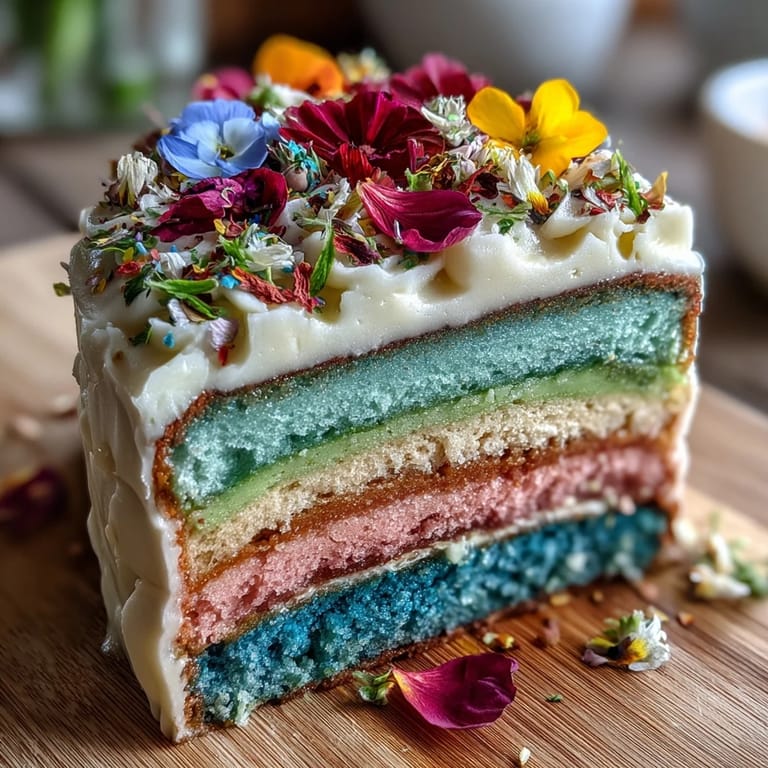
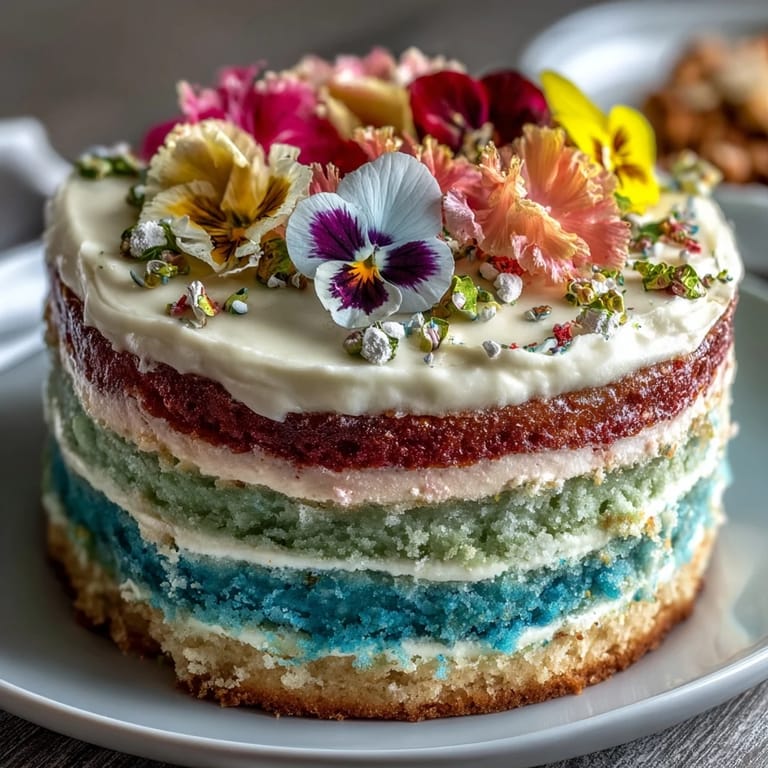
Save The first time I made this pastel ombre spring cake, I had music playing and the kitchen windows wide open—sunlight spilling across my mixing bowls. Swirling delicate shades into batter felt oddly meditative, and I remember laughing at my own streaks of food coloring on the counter. With each layer, the colors softened and brightened, a little like the first blooms outside after a long winter. Somehow, even the scent of vanilla seemed extra luxurious that afternoon. The floral crown on top was the finishing touch, and it made the cake feel like a celebration before anyone had even tasted it.
One spring, when my good friend came over for tea, I decided to surprise her with this pastel cake. We ended up chatting about the edible flowers, debating which pansy tasted sweetest as we decorated together. It became more about the fun we had in the kitchen than about following the recipe perfectly. Even my cat was intrigued by the butter scent, weaving through our feet. We laughed every time she tried to steal a crumb from the cooling rack.
Ingredients
- All-purpose flour: Gives structure such that each layer is light yet sturdy; measure carefully and sift for a smoother crumb.
- Baking powder & baking soda: These leaveners make sure your cake rises beautifully; always check that they're fresh before baking.
- Salt: Cuts the sweetness and brings out the subtle flavors; I prefer fine grain to melt into the batter.
- Unsalted butter: Room temperature butter creams easily and lends richness throughout; patience here pays off in a tender cake.
- Granulated sugar: Creates a fine crumb and sweet flavor; beat with butter until genuinely fluffy.
- Eggs: Room temp eggs make the batter come together without curdling; take them out in advance—warming in a bowl of water works if you forget.
- Vanilla extract: Adds deep, aromatic flavor; use pure vanilla for results that feel special.
- Whole milk: Creates a moist cake and smooth batter; room temperature helps everything blend smoothly.
- Gel food coloring (pastel shades): Just a drop goes a long way; mix gently to get that ombre look without overworking the batter.
- Powdered sugar: For silky-smooth buttercream, sift to remove clumps before mixing.
- Edible flowers: Pick varieties you trust (organic, edible) and dry gently if they're damp; arrange them just before serving for maximum color and freshness.
Tired of Takeout? 🥡
Get 10 meals you can make faster than delivery arrives. Seriously.
One email. No spam. Unsubscribe anytime.
Instructions
- Prep the Pans & Oven:
- Start with the oven at 350°F and line your cake pans—run your finger along the parchment to be sure it hugs the sides.
- Mix Dry Ingredients:
- Combine flour, leaveners, and salt in one bowl and whisk until you don’t see any streaks; the sound of swooshing flour is oddly satisfying.
- Cream Butter & Sugar:
- Beat them until pale and fluffy; the transformation is quick, and the aroma is incredible.
- Add Eggs & Vanilla:
- Drop in one egg at a time—listen for the gentle plop—and rinse mixing bowl edges if needed, then stir in the vanilla.
- Combine Batter:
- Alternate flour mixture and milk, start and finish with flour, mixing slowly so you avoid tough cake; watch the batter become silky and thick.
- Color & Divide:
- Split the batter into three bowls and tint each to a pastel shade, swirling gently with a spatula for a gradient effect.
- Bake Layers:
- Pour batters into pans, bake until they spring back to a light touch, then cool on racks—your kitchen will smell truly magical.
- Make Buttercream:
- Beat butter till creamy, slowly add powdered sugar, vanilla, and milk; divide and tint for ombre. Taste for fluffiness—you’ll know when it’s right.
- Assemble & Frost:
- Level layers, stack with buttercream, apply a crumb coat, chill, then frost smoothly while blending pastel shades for a soft ombre.
- Add Floral Topper:
- Arrange edible flowers on top with gentle fingertips—let colors overlap naturally for a springtime look.
 Save
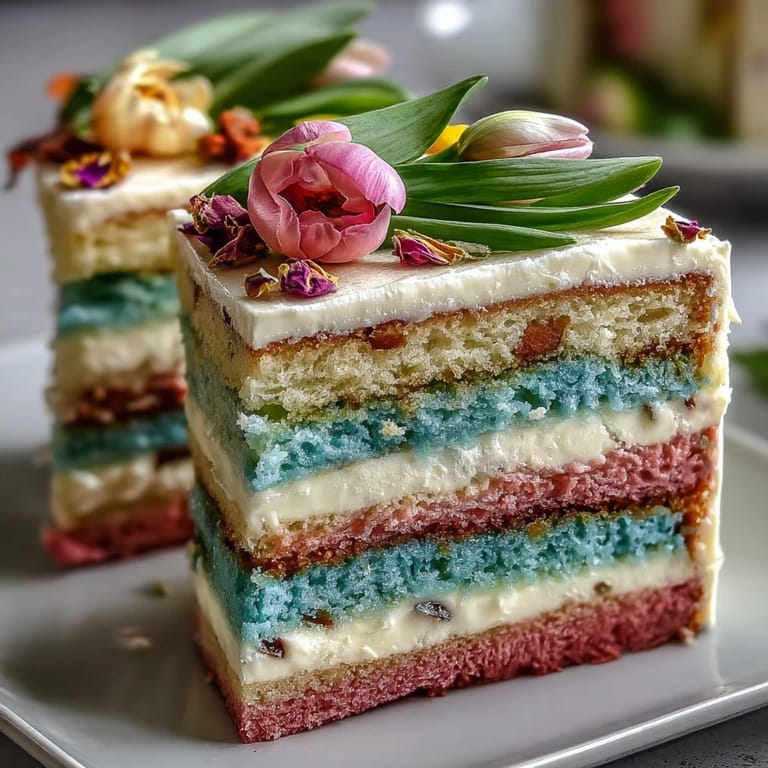
Save Once, after a quiet afternoon frosting this cake, I brought it to a family garden party. The cake stood out like a gentle bouquet on the dessert table, and people hesitated to cut into it because it looked so pretty. When we finally did, everyone was delighted by the pastel layers peeking out slice after slice. That moment turned what was once just cake into a kind of centerpiece—people gathered, shared stories, and lingered longer than usual.
Color Blending Made Simple
Swirling colors into batter or frosting is easier if you use the edge of your spatula and move in wide, lazy circles. Over-mixing causes muddy shades, so stop as soon as you see a subtle gradient. The best ombre emerges when you're not too fussy. A little unevenness actually adds charm—embrace it as part of spring's spontaneity. If you’re nervous, start with two shades and build confidence with three next time.
Choosing Edible Flowers
Go for blooms that have a gentle texture and bright color—pansies and violas are reliable, while chamomile imparts a whimsical look. Always check your sources for organic, edible certification. Avoid washing too vigorously, as fragile petals tear easily. Dry them on paper towels just before use. Arrange in clusters, or scatter across the surface for natural-looking beauty.
Troubleshooting Cake Layers
If your layers dome too much during baking, slice off the tops with a serrated knife while they’re cool. Stack the pieces to see which order gives you the flattest surface. Don’t panic if a crumb coat looks patchy—it’ll be hidden once you frost fully. A very gentle touch avoids tearing the cake as you spread frosting. Pace yourself and enjoy the transformation.
- A cake turntable helps create a smoother ombre, but it’s not essential.
- If coloring the buttercream, tint a tiny spoonful first—colors deepen over time.
- Crumb coat chills for only 15 minutes; don’t forget this quick step.
 Save
Save Making this cake always brings a bit of spring into the kitchen, whether or not the flowers are blooming outside. I hope you share it with friends and savor every pastel bite.
Recipe FAQs
- → How do I achieve the ombre effect in the cake layers?
Divide the batter into three portions and tint each with pastel gel food coloring. Bake each color separately for distinct layer hues.
- → What edible flowers work best for the floral topper?
Pansies, violas, roses, and chamomile are popular choices. Ensure all flowers are organic and labeled as edible.
- → How do I get smooth buttercream frosting?
Beat butter until creamy, then gradually add sifted powdered sugar and milk or cream. Mix until light and fluffy for a smooth finish.
- → Can I make a vegan version of this cake?
Yes. Substitute plant-based butter, milk, and egg replacers for a vegan-friendly dessert while maintaining flavor and texture.
- → What tools help with cake assembly and decoration?
Use round cake pans, electric mixer, spatulas, and a cake turntable for easier assembly and smooth frosting application.
- → Are there any allergens to consider in this cake?
The cake contains wheat, dairy, and eggs. Edible flowers may cause allergies, so confirm suitability before serving.